Keeping up to date
I don’t really look at the news. If something is truly a big deal, it’s going to matter to me and I’ll find out about it. I’m lucky that with AI, that happens constantly.
What I do instead is build up my own taste library. What interests me, who interests me, and a filter for everything else that comes my way.
What I like
When I’m on X, I’m noticing what I like and who I like. I’m trying to find the zone where a few things overlap. For me, that’s very visual UI interactions, really simple builds that feel fun, and trying to make tech simple.
Each of those has people in it who inspire me. Sometimes I go and build off their things. Sometimes I just like the knowledge they share. I bookmark all of it.
Who I trust
Then there’s a group of developers whose opinion I really trust. If they recommend something or post about it, I’ll read it. These five are some of the people I’ve saved most, after the AI labs themselves.
- Thariq @trq212works on Claude Code at Anthropic, and shares how he uses it
- Mario Zechner @badlogicgamesmakes pi, one of the agents I use
- Simon Willison @simonwtries almost everything new himself and writes it up on his blog
- Peter Steinberger @steipetemade OpenClaw, and ships his own agent tools constantly
- Theo @theotests the new models and developer tools, and says what he really thinks of them
I kind of just have filters for who builds, recommends or writes interesting stuff. Do I like their stuff? Over time I stick with them. New people come in, some fall out.
Try it once
Sometimes I see something once, fire off a prompt to an agent and test it out. Matt Shumer’s Gauntlet Loop was one. Matt’s a founder I invested in. He builds really cool stuff and I trust his judgement. People were making whole games with it from one prompt.
I’d never tried anything like it, so I did. It burns a lot of tokens. He said it would.
What makes it good is the prompt. Matt put it on GitHub. It’s three short paragraphs, and every line has a job:
I want you to build a first-person shooter at the level of the most recent Call of Duty games.
It should be utterly perfect, visually beautiful, with every single thing done at AAA quality—from textures to physics to anything you could think of.
Fan out sub-agents and have sub-agents tackle each one individually so that the game is utterly perfect.
You should /loop on each item and have a separate sub-agent check it visually to ensure it looks triple A. That separate sub-agent should be a really harsh critic, and if it doesn't look triple A, it should keep going.
Don't stop until each sub-agent is utterly wowed with the quality when compared with the actual Call of Duty game. It should literally compare them side by side blind and say which one looks better.
Do this in ThreeJS. /loop until it's utterly perfect. Fan out sub-agents and ultracode.
It tells the agent exactly what good looks like, then gets another agent to check it harshly, again and again. Run it, and it goes round like this:
“Make it good” isn’t a check. Understanding that is helpful, because then I can think about what the check should be for my own things.
When something keeps coming up
Terms bubble up, and they bubble up everywhere on X first. It’s a bubble, but it means we hear about things before everyone else. Those are good to poke around and understand.
I first heard about software factories months ago. Then they kept turning up. I have an automation that reads my new bookmarks every Monday and adds what’s shifting to a running file. It also tells me two or three things worth trying in my own setup.
So I asked my agent to go through them:
use my bookmarks cli to find some interesting posts over the last 1-2 weeks. things relating to new workflows or setups people are using in their agent work (like software factories, loops, etc). there's likely several posts relating to similar topics, thats signal.
It went through 156 bookmarks and grouped them. The loudest group was loops and software factories, and three of those posts were Dex Horthy’s. Then the question I actually cared about:
what could non-technical people take away from these themes
Its answer was that it’s less about good prompts and more about setting up good jobs: a folder with your stuff in it, a note on how you like things done, a checklist for what done looks like.
I haven’t built a software factory. I explored them enough to understand what they are, and that’s kind of it for now. Should I use it? Try it out? Or just ignore it for now? That’s the question every time.
What lands in front of me
All of this goes into my bookmarks. It’s a tool I built that pulls in everything I save, categorises it and summarises it. But for a long time it just sat there, and I didn’t look at it.
So now an agent reads the week and writes me a brief. What kept coming up, what to try, what to read, and what to skim so I know it happened.
Try is demos, tools and workflows. Skim is launches and news.
What I keep coming back to
Pay attention to what you keep coming back to. That goes for the people you follow and the areas that interest you. It goes for models too. I find myself coming back to Claude models for visual or creative thinking, and taste (My setup).
And it goes for your projects. I build stuff all the time and I throw stuff away all the time. A lot of it is just sitting there rotting, left for dead without me ever killing it.
What do I keep updating? What do I actually start using? What felt good at the time, and I haven’t opened since? None of it’s an issue. None of it matters. It’s just finding your way through this, and you only find it by trying stuff and feeling things out.
Your own style
Then you get your own mashup of all that. You start building sites that look like everyone else’s. You tweak them based on something else you saw, and that becomes something else. You might start developing your own style, or actively try to.
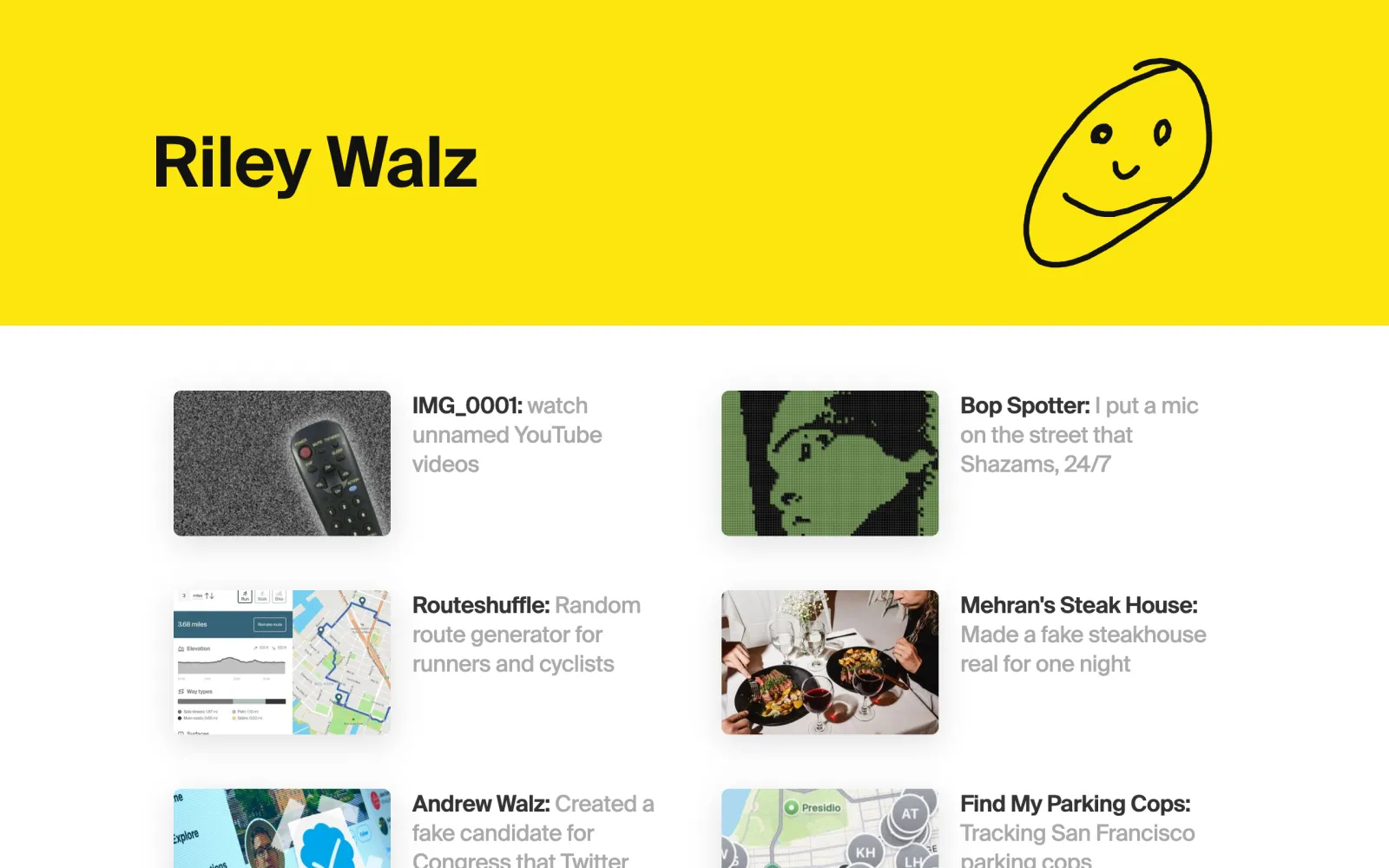
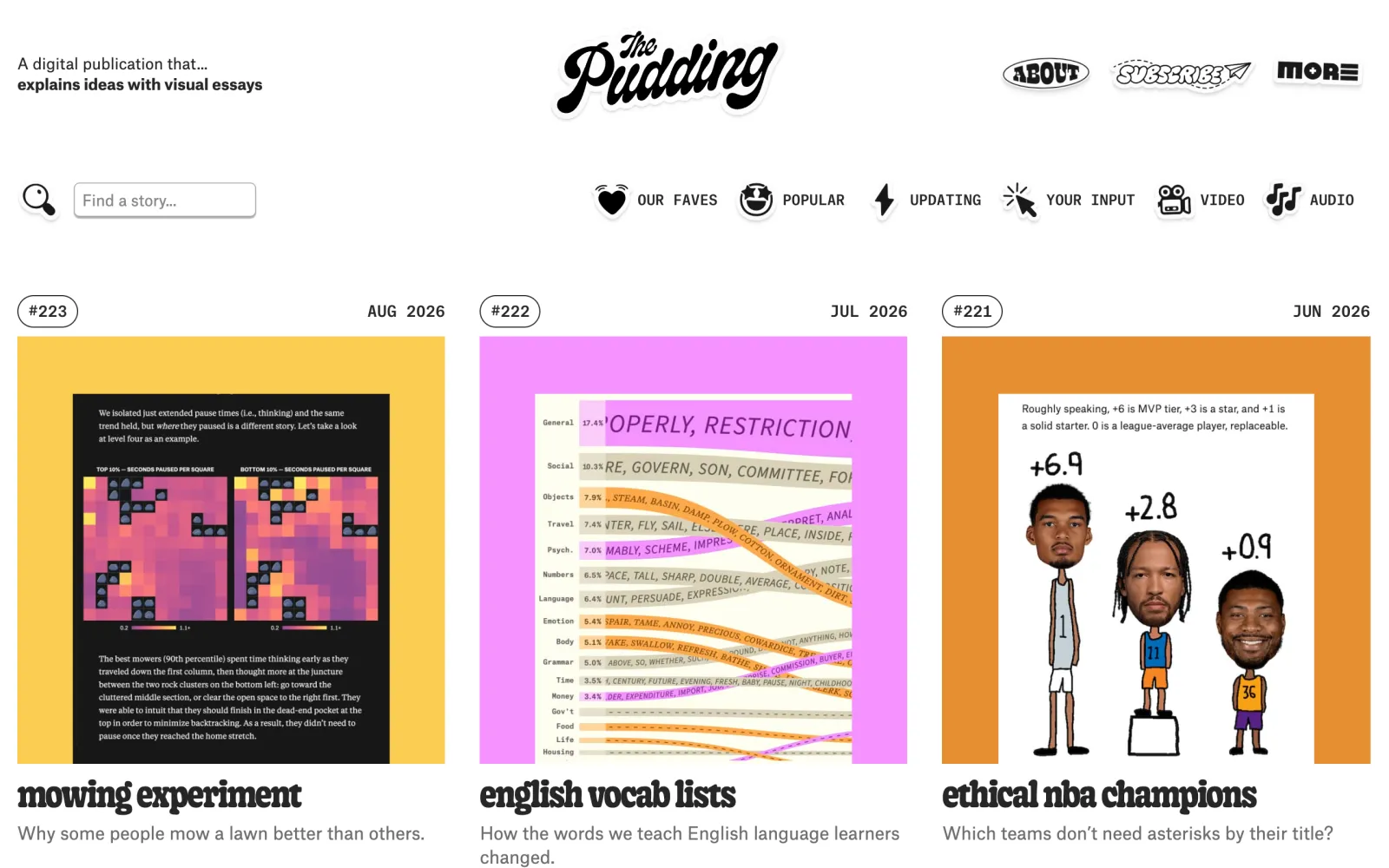
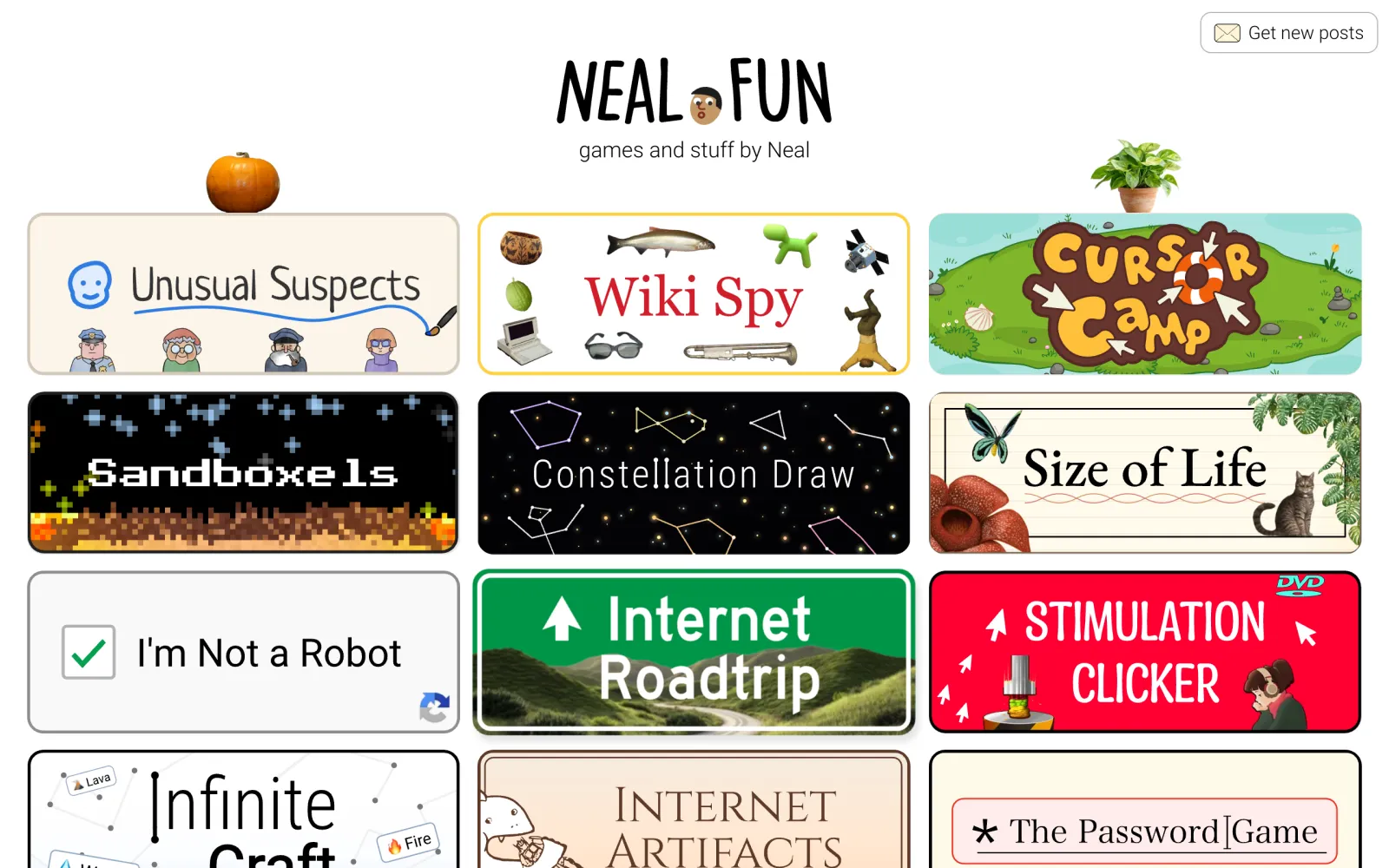
The style doesn’t have to be how a thing looks. It can be the type of thing it is. Riley Walz and The Pudding are all about showing data visually. Neal Agarwal is all about interactive, game-like experiences.
A mini factory
Put it all together and it loops back to software factories. When developers talk about them, they’re thinking about how an agent works in a project folder. It has instructions, things it needs to do, and checks it needs to make.
None of that has to be code. You’re building a system for following the right people. A system for sorting everything you save. A taste profile of the things you care about, and a way to update it as you go, day to day, month to month.
That’s your own mini factory, an agent factory for one specific task. You’re working on the thing that produces the work, not just the work.
Make it your own
You don’t need my tools to start. Pick the two or three things you really like. Follow the people who make them. Save what catches your eye, and every couple of weeks ask an agent what keeps coming up.
here are the last 30 things i saved: [paste the links]. what keeps coming up? several posts on the same thing is signal. for each one, tell me what it is in plain english, and whether i should try it, read it, or just know it happened.
Notes
- I don’t read the news. If it’s a big deal, I’ll find out.
- On X I notice what I like and who I like, and I bookmark all of it.
- Some things I see once and just try. The Gauntlet Loop showed me what a check looks like.
- When a term keeps coming up, my agent goes through my bookmarks and tells me what it means for me.
- Every week an agent writes me a brief of what I saved: try, read, skim.
- I pay attention to what I keep coming back to. That’s where my own style comes from.